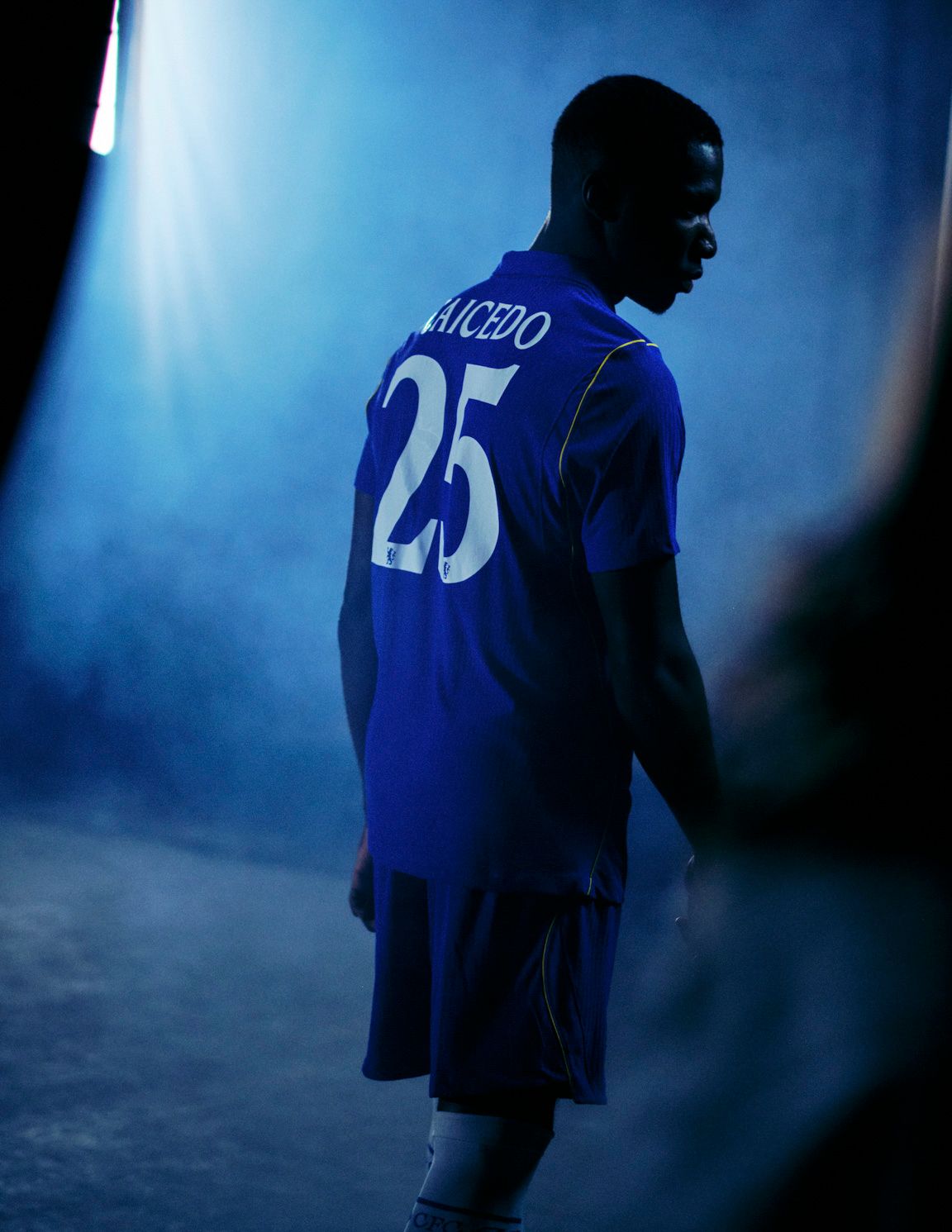
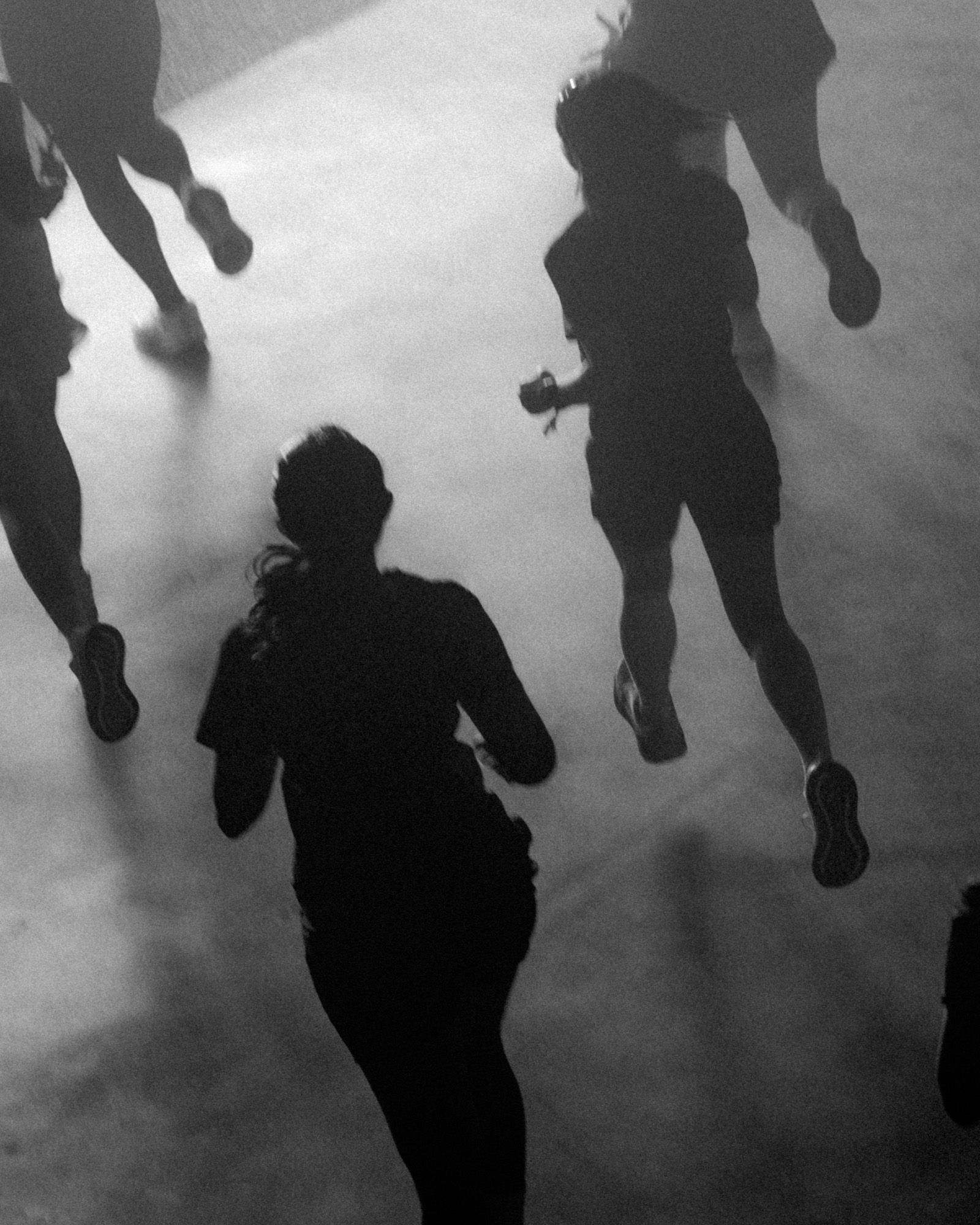
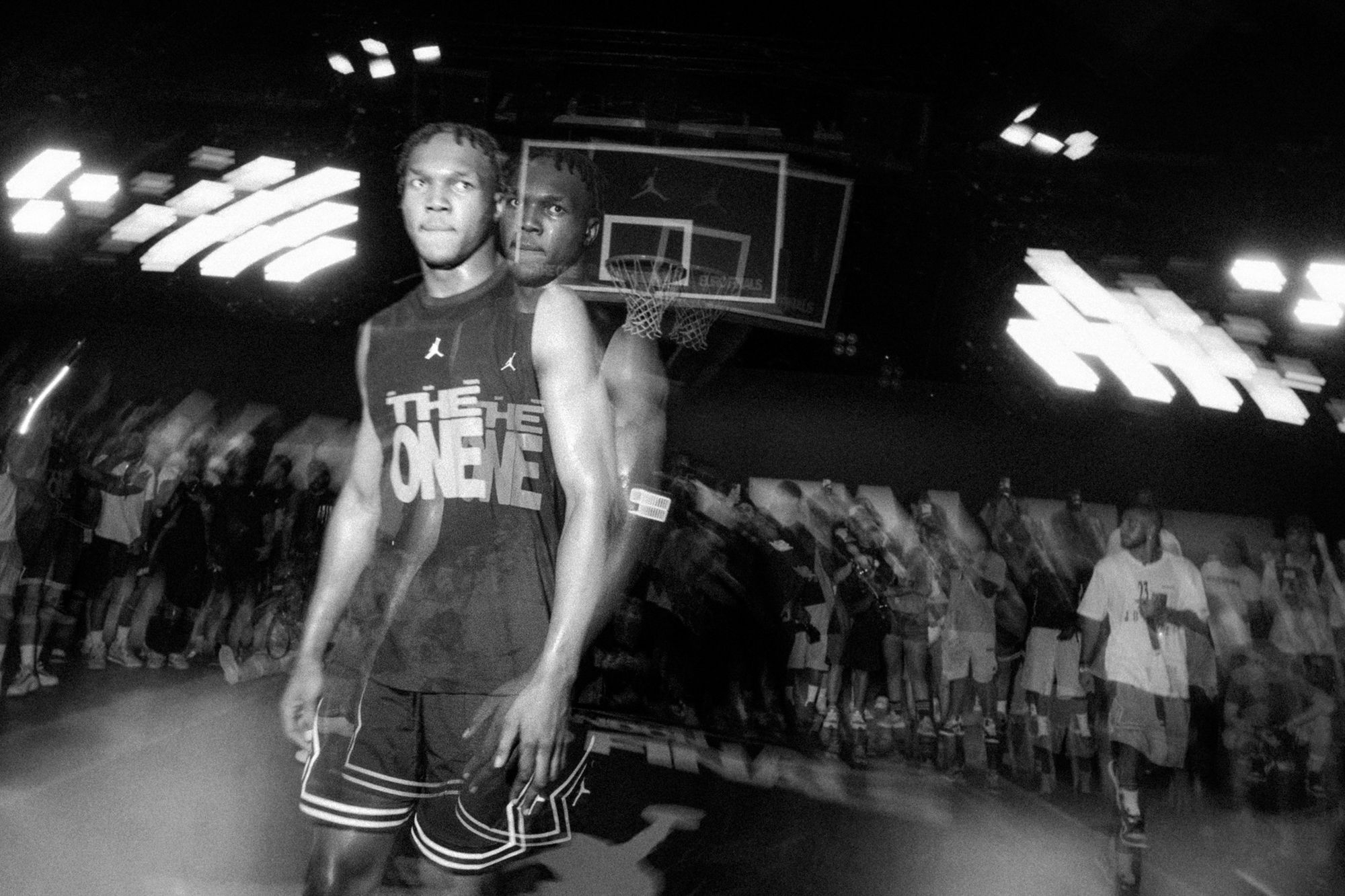
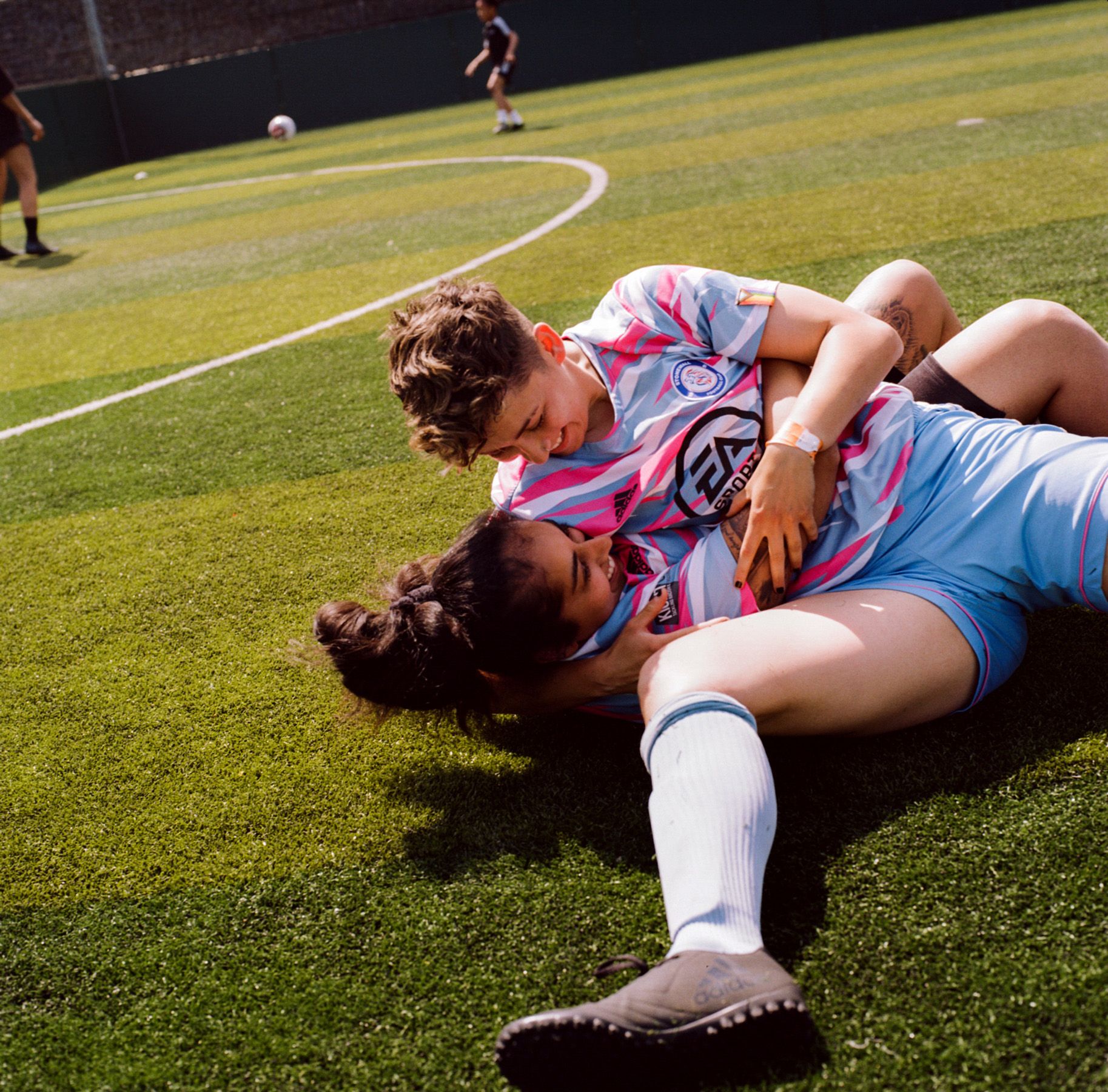
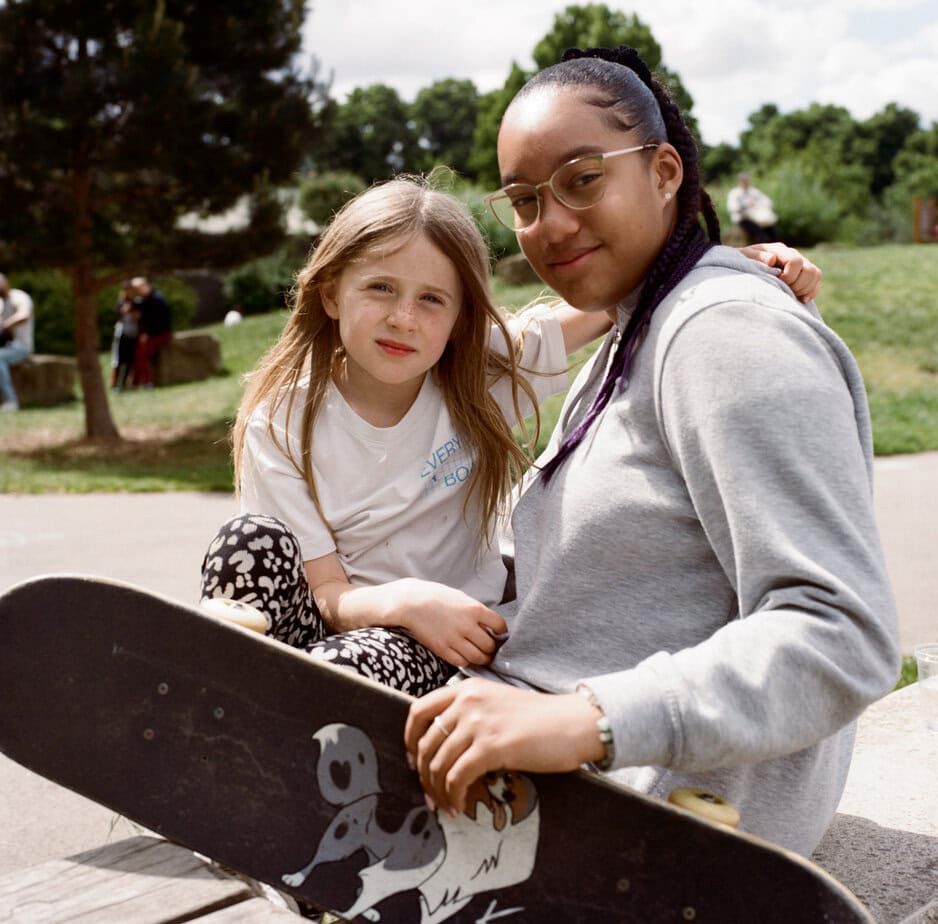
From stacking shelves, to working with football stars, and releasing their first book, Jade Smith is in this for life.
Fine Print gives us a deeper look into the life and work of Companion photographers.
C: What was your route into the industry?
J: My route started after graduating from Southampton Solent University in Contemporary Photography. After graduation, I continued working nights at Boots stacking shelves, before going travelling on the first trip which led to the idea of my book, ‘In the Middle of Becoming’. As soon as I got back, it gave me the fire to go after a career in photography, and I felt the need to get to London. I didn’t know anyone in the industry, or how I was going to do it, but knew I had to get there. I continued working at Boots and found part-time freelance work in various photography studios. This eventually led to assisting photographers - for free to begin with - and then getting paid, all whilst still working shifts at Boots. It was graft but I had so much energy to do it back then!
During that time, I learnt how to light and got to see how productions work. I knew I had to learn how to do more than just shoot stills, so I learned how to do video, filming for free and watching Youtube videos about learning to edit. This led to paid work editing, self-shooting and directing.
I used to ring up modelling agencies and book tests to practice making reels of models for free. I really didn't know how to do video when I started, but after lots of practice, the jobs were paid enough to allow me to invest back into my photography.
C: Who is your dream collaborator? And why?
J: You know what, my dream collaborator would actually be anyone that's really nerdy about photography. Older photographers, people who have stories, who shot work during pivotal times, and have something to say about their images. It would be so interesting to listen and learn from them. I spend a lot of time around the darkroom and the community at Photobook Cafe, you meet so many people that are so passionate. I've learned so much from people at Rapid Eye, and all the other photographers that I have met on the way. Maybe some female or non-binary explorers - that could be really cool!


C: As a child, what did you want to be when you grew up?
J: I think the only thing I wanted to be was a photographer. I was really into drawing and geography, but then when I was in year seven at school I saw what photography was and it really took hold. I remember looking through the camera for the first time, and ever since then I was obsessed, it was all I wanted to do. I am still obsessed, and I still feel that same feeling of looking through the camera viewfinder for the first time, when I see something I want to photograph. It’s why I know I’ll be a photographer for the rest of my life, and it isn’t just a job. I love doing film work, and directing, but no matter what, photography will always be my foundation.


"I got a bit lost in my 20s - well, not lost exactly, I was just trying everything, trying to figure it out. Do you become a fashion photographer? Are you a documentary photographer? Like, is this going to work for me?"
C: How do you feel your work has developed over time?
J: You know that saying about putting in 10,000 hours? I've definitely put in the work and the practice. I shot so much when I was younger. As a teenager, I was going to Poundland and buying £1 rolls f 35mm film, buying stacks of it, I shot so much. I used to sell packs of bubblegum at school that my friend would bring back from the US, and then use that money to buy Kodak Film. Asda used to be 5 rolls for less than a tenner! I really wouldn’t be able to practice like that if I was growing up now, with the current price of film, so I am very grateful I grew up then.
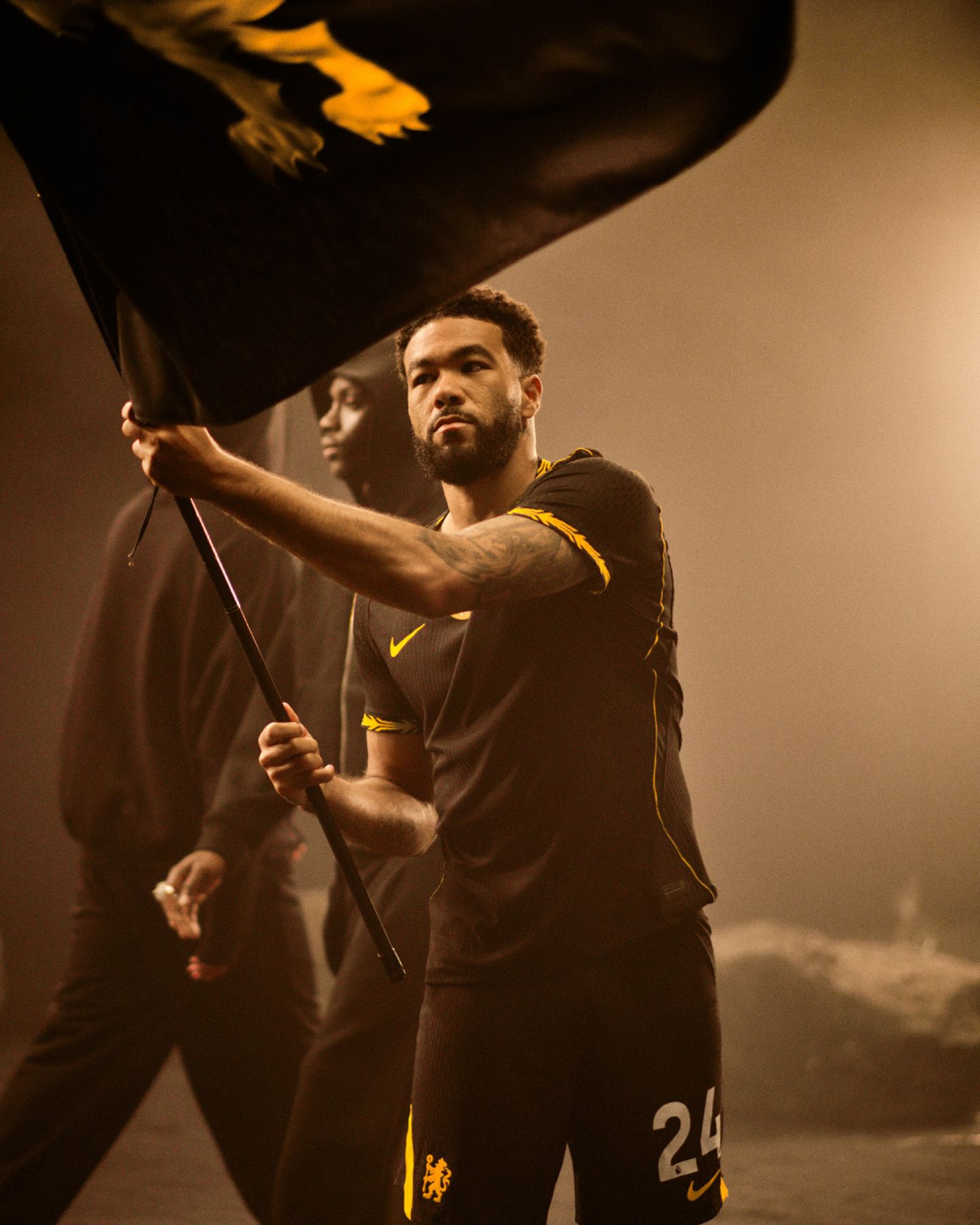
I got a bit lost in my 20s - well, not lost exactly, I was just trying everything, trying to figure it out. Do you become a fashion photographer? Are you a documentary photographer? Like, is this going to work for me? I had a bit of a pivot as I wasn’t sure what to shoot, and started shooting more fashion, but then I realised it wasn't where my heart was, and so I just quit that and focused on video which led in to sports and football photography.
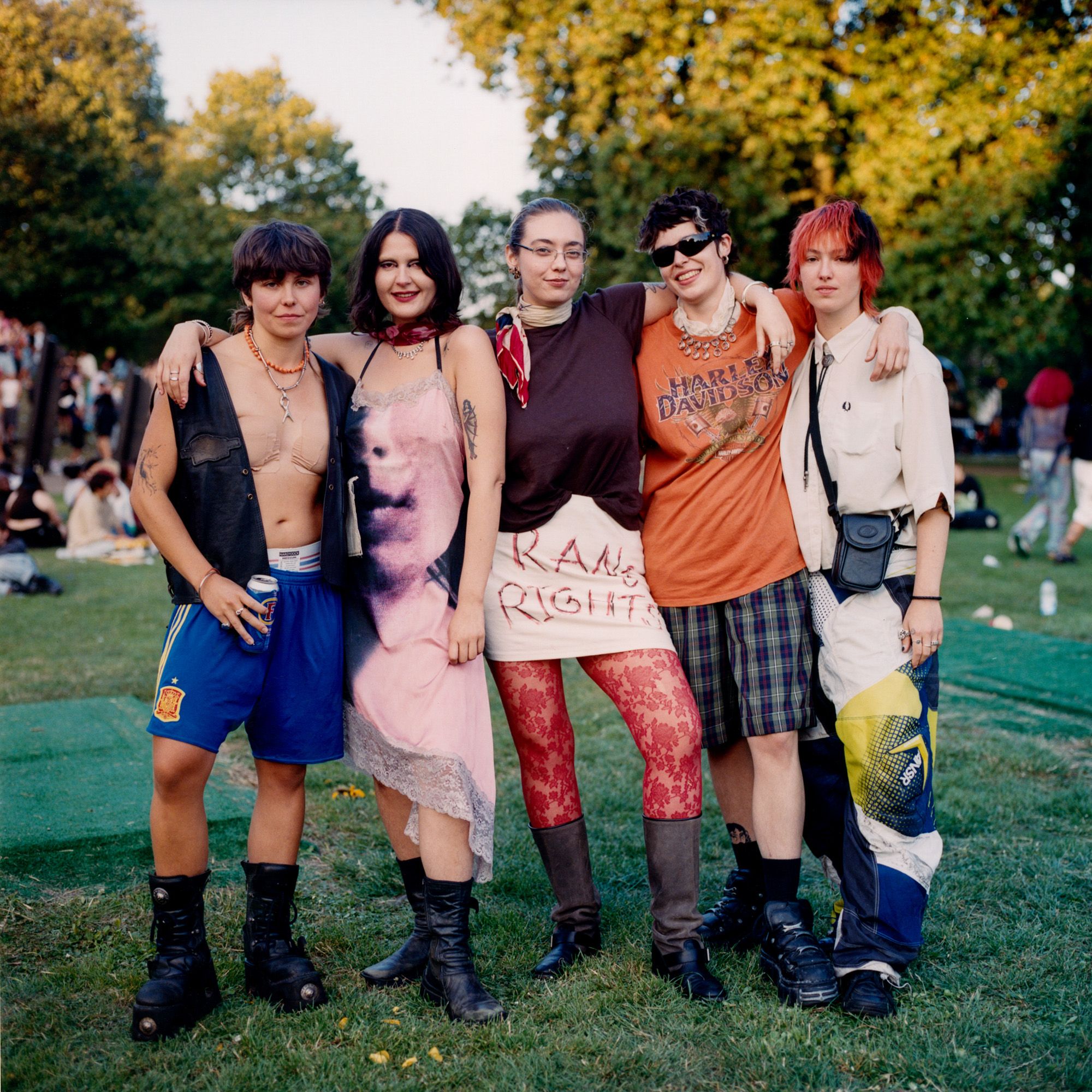
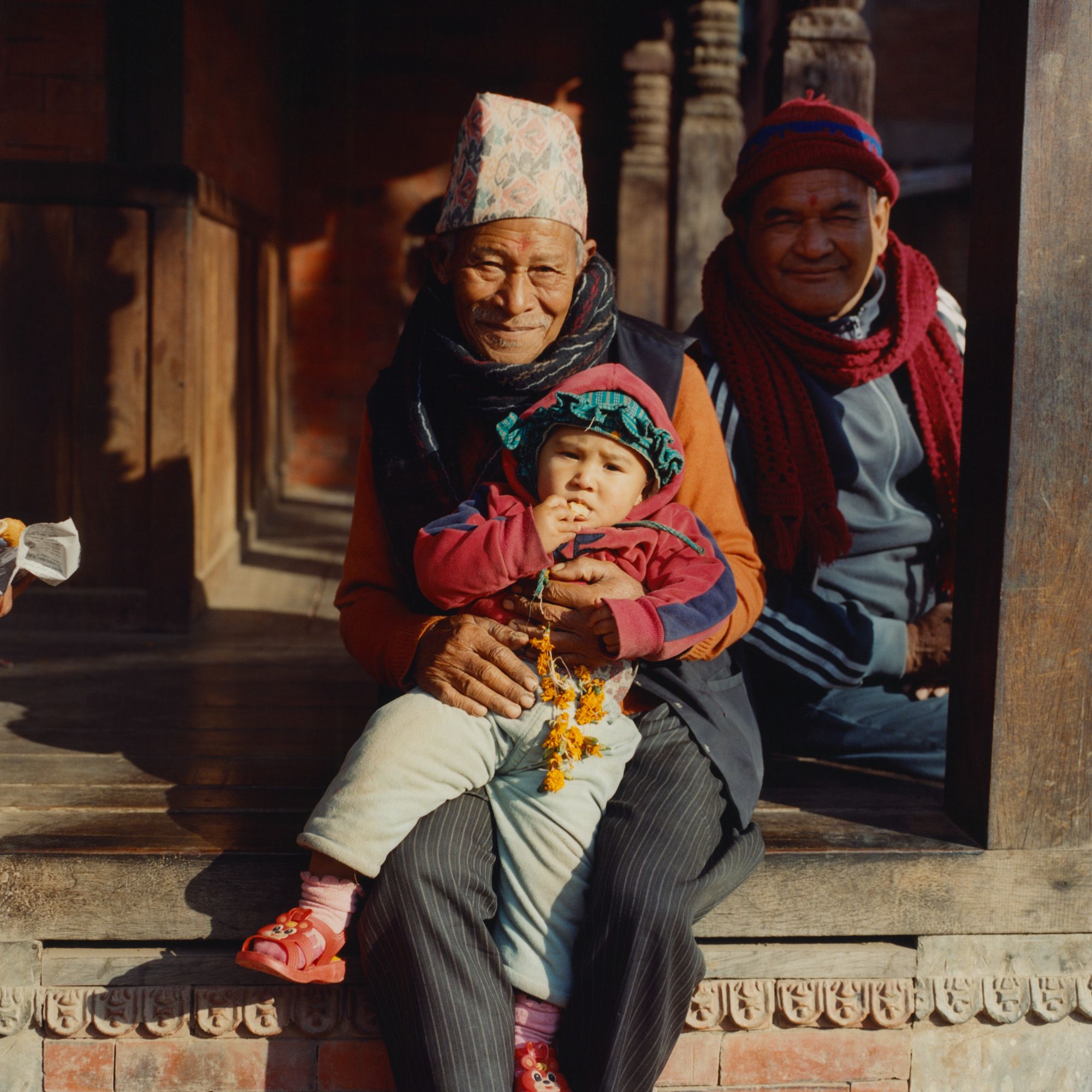
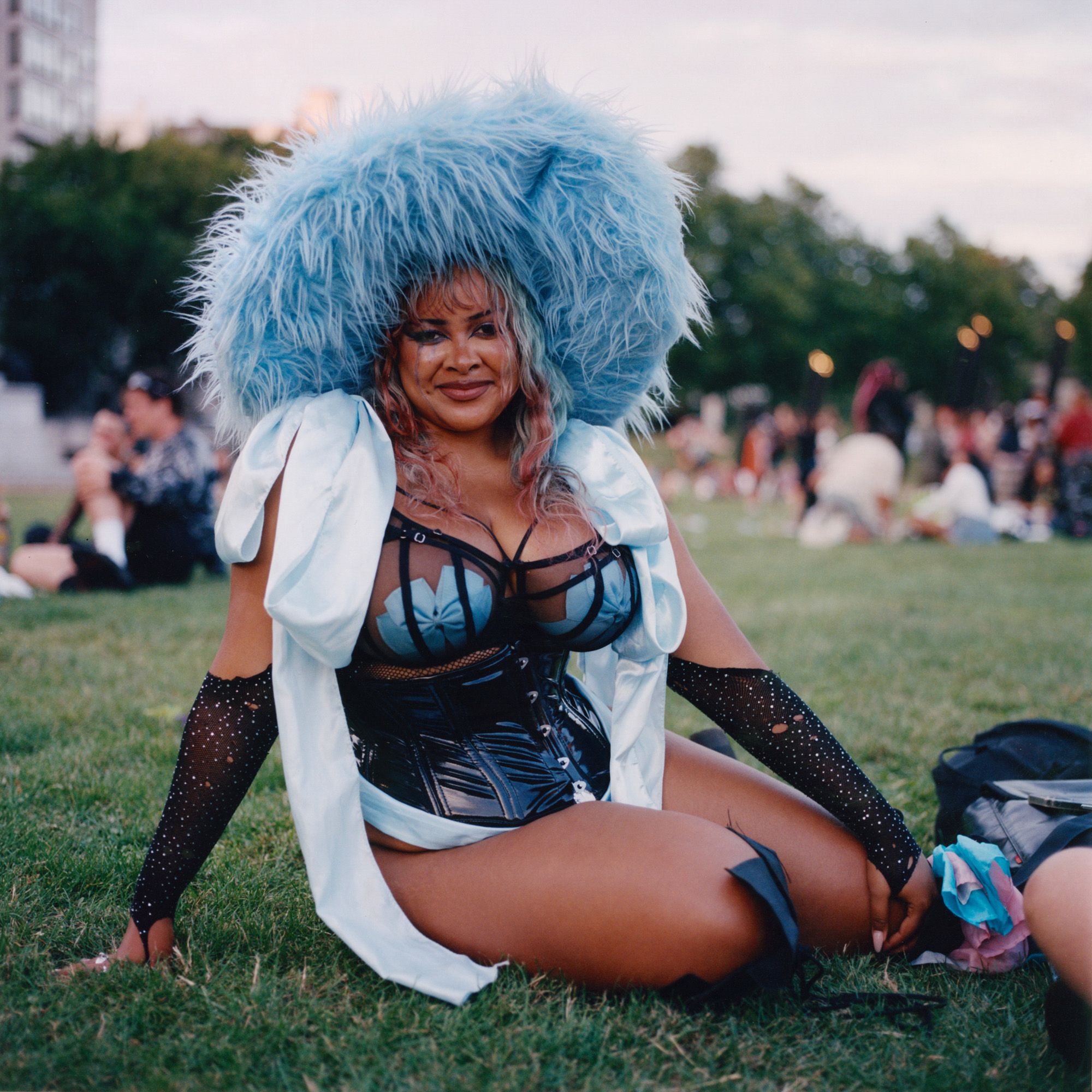
I also knew I wanted to shoot things that were more meaningful to me like Pride and travel, and spend time hand printing to really embrace the craft of photography, but I couldn’t afford to print regularly. I used the Fuji XT1, then a Fuji Xh1 and then started shooting 120 again like I did at uni. From there, I reinvested back into my photography, and my work developed. My work now is very much like the style I shot in my project work at uni and as a teenager, so I just went back to where I started but now it’s much more developed.

C: What is a moment that stands out in your career that defines how you work now?
J: Definitely getting signed by Companion, that was a big milestone and I’m so glad to be part of the roster and the photography family there. There’s so much care with the artists, the craft of photography and in development of artists, so I’m very grateful. Also, my first time directing sports - I directed 30 kids or so, they were all running around and it didn’t phase me, I felt very much at home and knew from that moment that directing came very naturally to me.
Another moment was my ‘Pride of Britain’ exhibition at Photobook Cafe, it was amazing to be able to display so many beautiful portraits of queer people and show the diversity of everyone I shot. And then the completion of my first book with Studio Small - I could not have done that without any of them and am super thankful! And of course, meeting the Rapid Eye team and learning to print again.
I'm 34, I’m going to be doing this forever and I think my 13 year old self would be pretty proud of everything I’ve achieved so far. It’s good to be proud of yourself, which is different to having an ego. I think if you've done the work and you've put in the hours, showed dedication to your craft, and you've worked your ass off, you deserve to be proud of yourself.


C: Do you have any shoot day rituals/routines?
J: An early night the night before, making sure everything is packed and prepared before bed. I do not go to sleep without making sure that my clothes are folded, everything in my bag is sorted and charged, and always double check everything. On the shoot day itself I definitely get up earlier, have a coffee, a moment by myself, and try to go through everything that I’ll be doing.
Follow Jade on Instagram to keep up with her latest work and view more projects on their page.