Running for the perfect shot, taking a post-shoot dip, and how she got here - Wendy Huynh tells us about her life and career.
Fine Print gives us a deeper look into the life and work of Companion photographers.


C: What was your route into the industry?
W: I launched a print magazine called Arcades for my final year project at Central Saint Martins back in 2016. The magazine explored the culture and life of the suburbs, and each issue focused on a specific city. The magazine was my way to get into the industry! It was a way for me to meet people, collaborate with brands, but also with fellow photographers, writers, stylists etc. It was pretty much my portfolio when I graduated, and I really loved working both as a photographer and editor. I was also lucky to have raised funds for the first issue through a Kickstarter, and to have brands pick up the magazine, and sponsor the next two issues.
"The magazine was my way to get into the industry."
C: Who is your dream collaborator? And why?
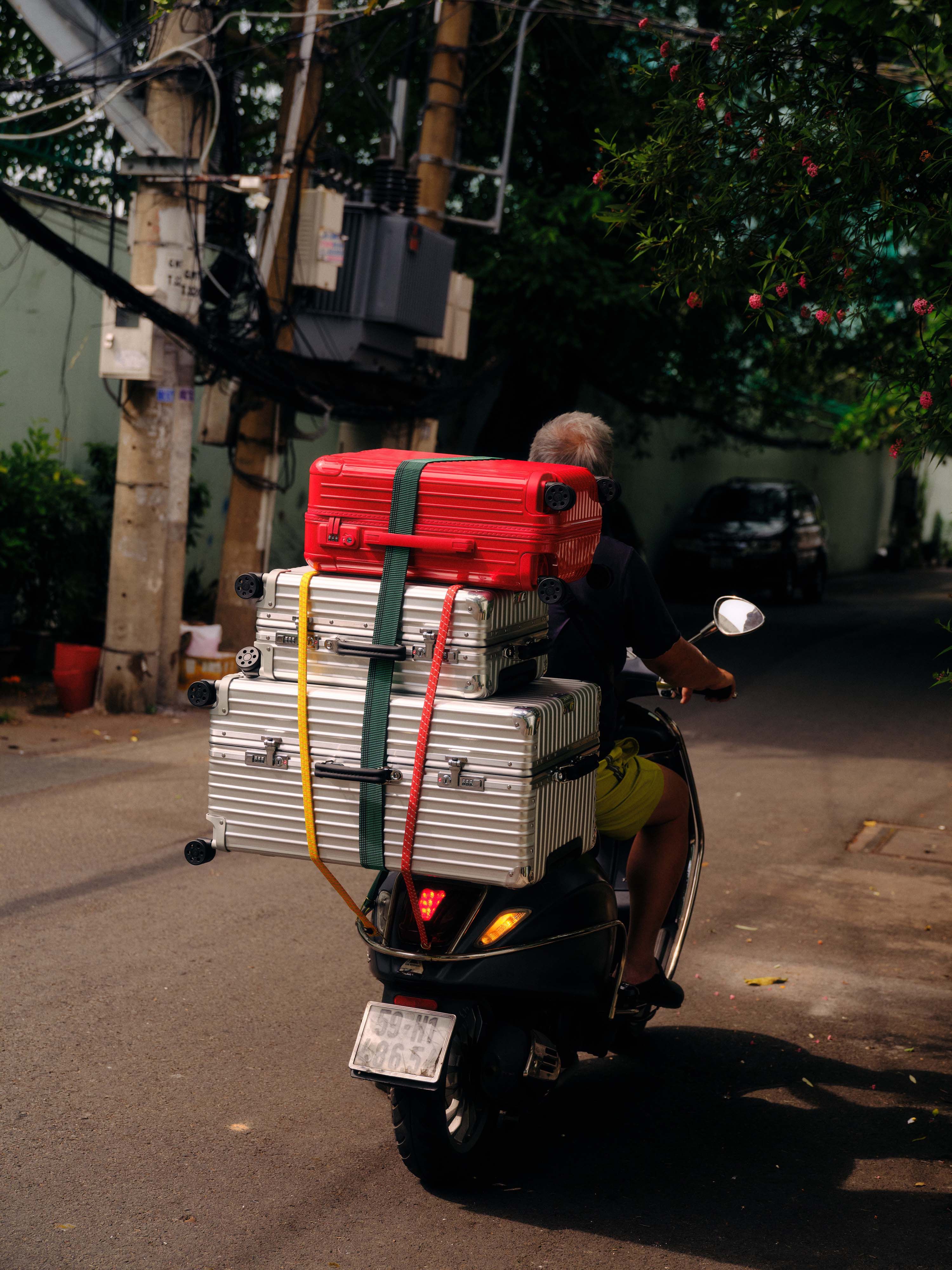
W: My family. In recent years, I have been taking more pictures of my parents, nieces and nephew, for my personal archive and a project about my family’s past and migration story. I’m finding importance in documenting rituals and memories made at home. Over the years, I have photographed so many different people but rarely my own family. As a photographer, we have so much responsibility to ensure the subject feels comfortable, but photographing my own family also made me realise that I was most at ease with them. My father has also helped me on jobs, including a commission for Rimowa in Saigon (where he was born and grew up) where he was basically was my producer/photo assistant/translator - all at once. It felt very special to work in that way with him on a commission!
C: As a child, what did you want to be when you grew up?
W: There was a time when I wanted to become a jewellery designer, but I think that I realised I didn’t have much patience, especially for things that required precision. That’s one of the reasons why I love photography - on one side, I love the longer process of researching, but I also love how spontaneous and accidental photography can be, especially in the way I work.
C: How do you feel your work has developed over time?
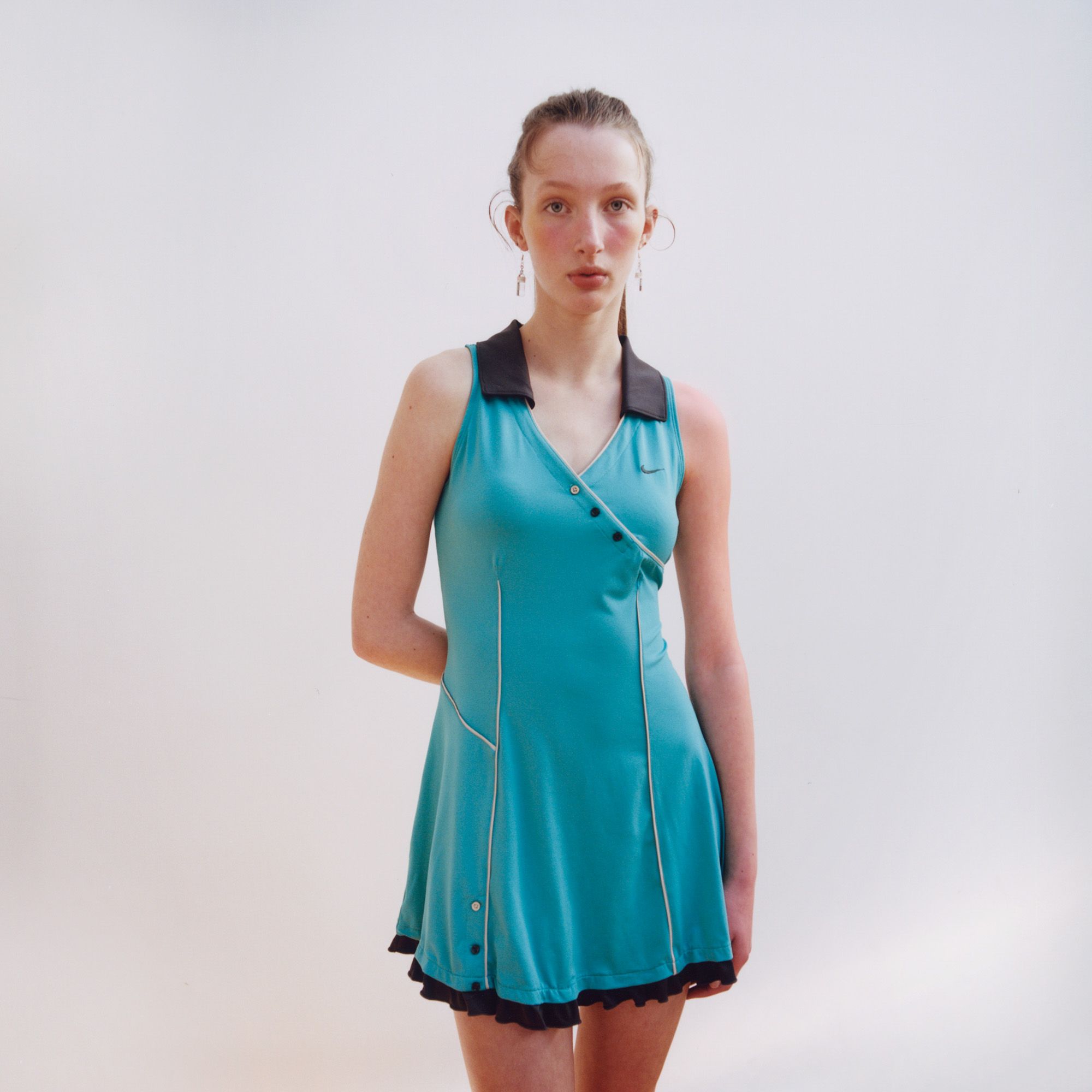
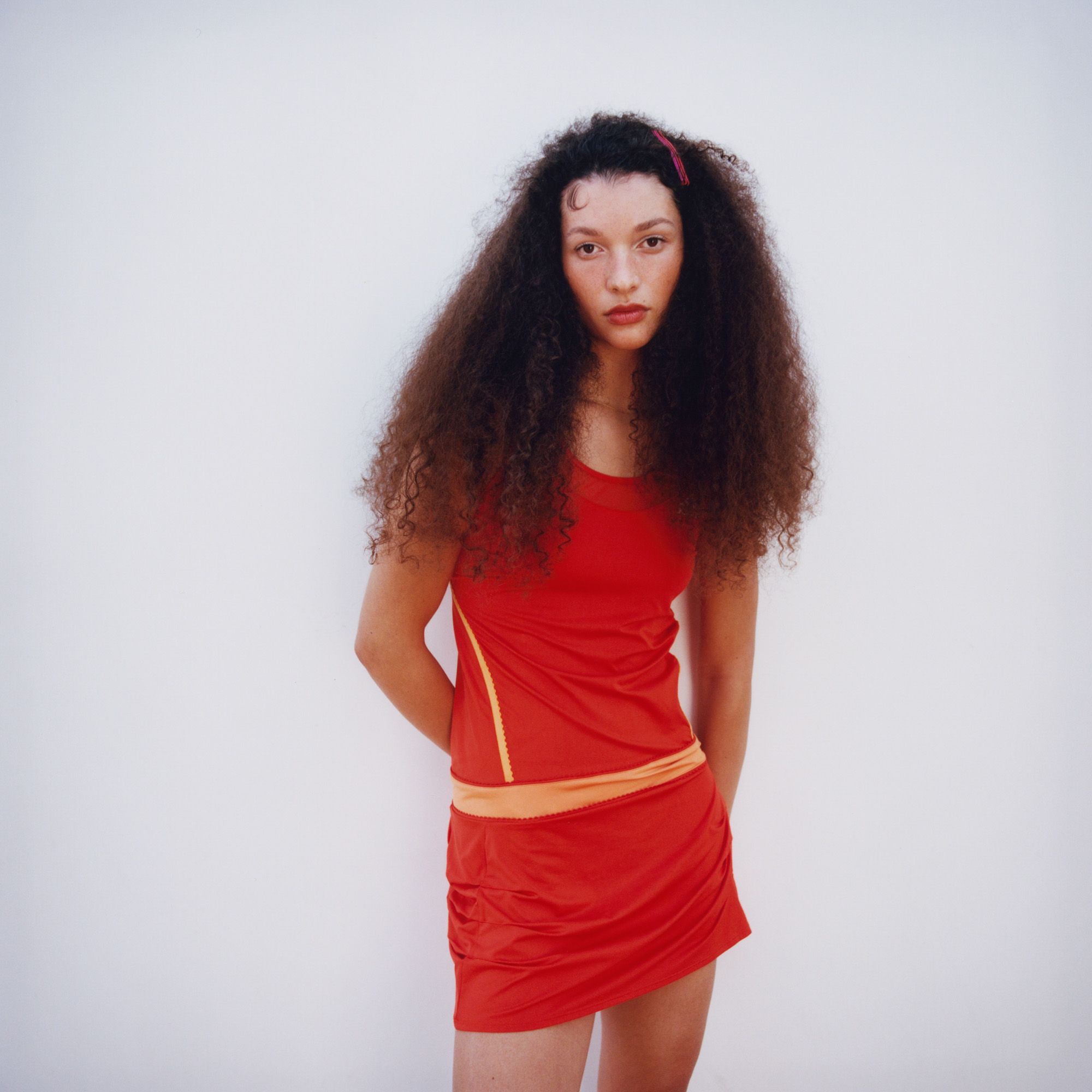
W: I think my taste and visual references have gotten more precise over time - I know what I like and dislike, what could be an interesting story and angle. But I do miss the times when I was more ’naive’ in my work, not caring so much about how it’s shot, or how it will be perceived or seen, especially when you do a lot of commercial work. So over the last few years, I try to keep in mind that my photography process and work need to remain as honest as possible - this means working on subjects and topics that I genuinely feel interested in, and doing it for me and the people I photograph, not just for aesthetics or for the sake of creating a ‘nice’ image.

"I think a photographer needs to be curious - about people, places and anything that surrounds them."
C: In your view, what are the most useful tools or characteristics a photographer can have?
W: I think a photographer needs to be curious - about people, places and anything that surrounds them. Photography can feel like a very flat process, it can feel very 2D. But photography isn't just about an image being captured, it’s about all the things that made this picture happen. It’s about talking to and getting to know the subject you photograph, being conscious of the environment you are in, and being able to capture and share this image with confidence and respect.

C: What is a moment that stands out in your career that defines how you work now?
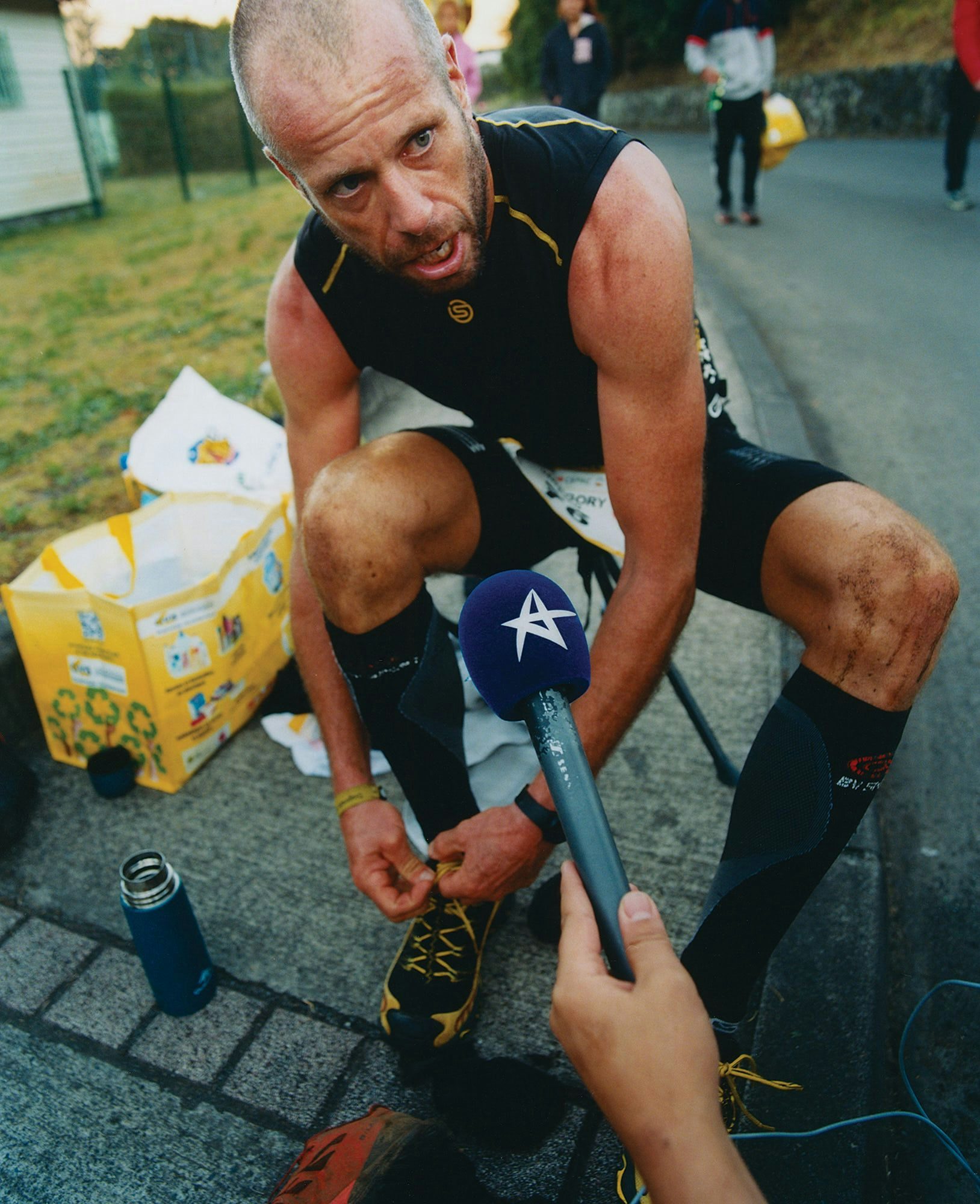
W: I once went to Réunion Island to document an ultra-trail race where we were following a specific athlete. We had all the stories and shot list laid out, but the athlete had to abandon the race, and our plan was disrupted right when we started shooting. We had to be proactive and find solutions in the moment, and this really taught me what documentary photography was about - encountering unexpected events and yet still making it a beautiful story.

C: Do you have any shoot day rituals/routines?
W: I don’t really have rituals or routines on a shoot day itself, but I do like to keep a specific routine in between jobs. I tend to travel a lot for work and every time I come back home, I need to make sure I follow a routine that makes me feel grounded to avoid feeling burnt out. This includes ensuring I keep up with my sports routine (photography is physical and exercising is the only way to make sure I don’t get injured on a job, or before one, which has happened in the past!) and to spend solo time at my studio to archive, select and edit.
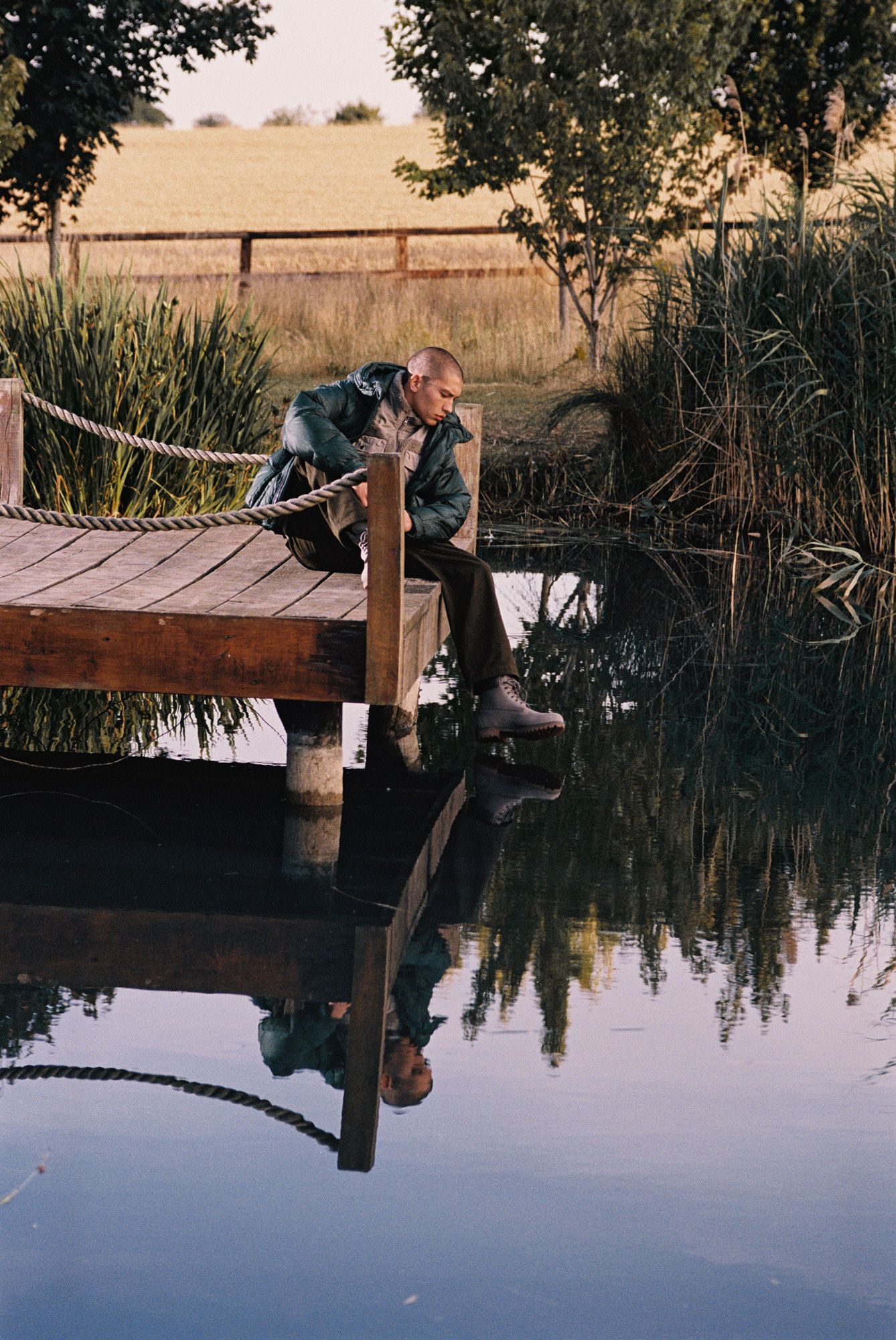
Although I do have a new ritual post-shoot - if I’m near a body of water (pool, sea) I will try to take the time to go for a swim and dip after a shoot. This is something my friend, and first assistant, Laura, always pushes me to do on a job, and I really want to make this a new ritual!

Follow Wendy on Instagram to keep up with her latest work and view more projects on her page.